
PSA vs. Beckett (BGS) Grading Services: Which One Is Better for Your Cards in 2026?
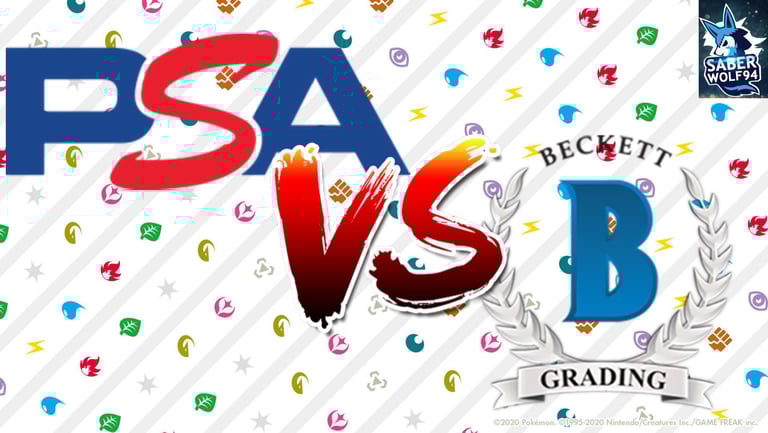
Eternal Rivalry of PSA and Beckett
In the world of trading card grading, two names dominate: Professional Sports Authenticator (PSA) and Beckett Grading Services (BGS, often just called Beckett). PSA has long been the market leader, with its iconic red-label slabs recognized globally for boosting card value and liquidity. Beckett, meanwhile, is prized for its detailed subgrades and ultra-premium “Black Label” 10s.
A major development in late 2025: PSA’s parent company, Collectors, acquired Beckett. The brands remain fully independent—separate grading standards, pricing, staff, and operations—with no immediate changes to processes or costs. This consolidation gives Collectors about 80% market share, but for submitters, the choice between PSA and BGS is still very much alive. Here’s a head-to-head comparison of the key factors, plus guidance on which service fits your specific cards, volume, and goals.
Grading Scales and Accuracy
PSA uses a straightforward 1–10 scale (mostly whole numbers, no official subgrades). A PSA 10 (Gem Mint) is the gold standard for most collectors and investors. Grading is perceived as slightly more lenient on centering, which helps modern cards hit the top grade more often.
BGS employs a more precise system: overall grade on a 1–10 scale (including half-points like 9.5), plus four subgrades (Centering, Corners, Edges, Surface) out of 10 each. A “Pristine 10” (Black Label) requires perfect 10s across the board—extremely rare and highly coveted. This detailed breakdown appeals to serious collectors who want transparency. BGS is generally considered stricter overall, which can mean lower grades but more informative feedback.
Pricing and Turnaround Times (Current as of March 2026)
Both services have seen demand-driven adjustments, with economy tiers now slower and pricier.
PSA (post-February 2026 updates):
Value Bulk: $24.99/card (Collectors Club members; consolidated TCG/sports bulk option)
Value: $32.99
Value Plus: $49.99 (≈45 business days)
Value Max: $64.99 (≈35 business days)
Regular: $79.99 (≈25 business days)
Express and higher tiers unchanged (faster but $150+ typically)
No card-value upcharges; minimums apply for some bulk tiers.
BGS
Base: $14.95 (no subgrades) or $17.95 (with subgrades; 75+ business days)
Standard: $34.95 (with subgrades; 45 business days)
Express: $79.95 (15 business days)
Priority: $124.95 (5 business days)
No minimum card count, no value-based upcharges, and subgrades are standard in most tiers. Add-ons like autographs (+$5) or oversized cards available.
Bottom line on cost/speed: BGS wins for ultra-cheap base submissions if you’re patient. PSA’s bulk tiers are competitive for volume once you factor in resale ease. Express tiers are comparably priced. Both can take months at economy levels due to high demand.
Market Value, Liquidity, and Resale
This is where PSA shines for most people. PSA-graded cards (especially PSA 10s) typically sell faster and for higher prices on eBay, auction houses, and marketplaces. PSA holds the vast majority of graded population data and brand recognition.
BGS 9.5s or regular 10s often trade at a discount to equivalent PSA 10s (sometimes 10–30% less for modern TCG or sports cards). However, a true BGS Black Label 10 frequently outperforms a PSA 10—sometimes dramatically—because of the prestige and subgrade perfection. This is especially true for pristine modern chase cards (Pokémon, sports parallels) or vintage gems.
Rule of thumb: If you’re grading to flip or maximize broad-market appeal then PSA. If chasing perfection on a handful of flawless cards then BGS Black Label potential can pay off big.
Slab Quality, Protection, and Presentation
PSA slabs are sleek, thin, and instantly recognizable with the red label. Some collectors note they feel less robust for long-term storage.
BGS slabs are thicker, more durable, and include an inner sleeve for superior card protection and stability. The labels (silver/gold/black) look premium, and many prefer the aesthetic for display or high-end collections.
BGS edges out on physical protection; PSA wins on universal recognition.
Other Perks
Population Reports: PSA’s are more extensive and trusted due to volume. BGS reports are solid but smaller.
Authentication & Extras: Both authenticate; PSA DNA for autos is legendary. BGS adds BAS authentication and works well with comics too.
No Surprises: BGS explicitly has no upcharges based on declared value or final grade—helpful for high-end cards.
Community & Events: PSA dominates shows and crossover grading acceptance.
Which Service Is Better for You?
Choose based on these factors:
What cards you’re grading
Modern sports cards or bulk TCG (Pokémon, etc.): PSA. Highest resale and liquidity.
Vintage cards or modern parallels/chase cards where subgrades matter: BGS. The detailed breakdown and Black Label upside shine here.
Personal collection/display pieces: BGS for the extra info and premium slab.
How many cards
Large bulk (20+ low/mid-value modern): PSA Value Bulk tiers or BGS Base (if you can wait 75+ days). PSA usually wins on post-grading sales speed.
Small volume (1–10 premium cards): Either—calculate ROI. BGS if you’re hunting a Black Label; PSA for safer, faster liquidity.
High-volume investor: PSA. Easier to move inventory.
Other considerations
Budget-conscious + patient: BGS Base/Standard.
Max resale/liquidity now: PSA.
Want detailed condition feedback or better long-term protection: BGS.
Flipping quickly: PSA.
Perfectionist collector: BGS Black Label chase.
Many savvy submitters use both services strategically—PSA for the bulk of a collection, BGS for the absolute best specimens.
Final Verdict
In 2026, PSA remains the better choice for the vast majority of people—especially those grading modern cards in any volume or prioritizing easy resale. Its brand power, liquidity, and market dominance are unmatched.
However, Beckett (BGS) is superior if you’re chasing Black Label perfection, need subgrade transparency, or value premium protection and aesthetics on high-end or vintage pieces. The acquisition hasn’t changed the core strengths of either brand yet, but watch for potential capacity improvements from shared resources.
Calculate your expected ROI (graded value minus grading cost + shipping) before submitting, and always check current pop reports and recent sales. Whichever you pick, grading still protects and elevates your cards—just make sure it matches your goals. Happy grading!